
When customers ask what an enamel pin is made of, the answer has three parts: the base metal, the plating color, and the enamel finish. They work together, but they affect different parts of the pin.
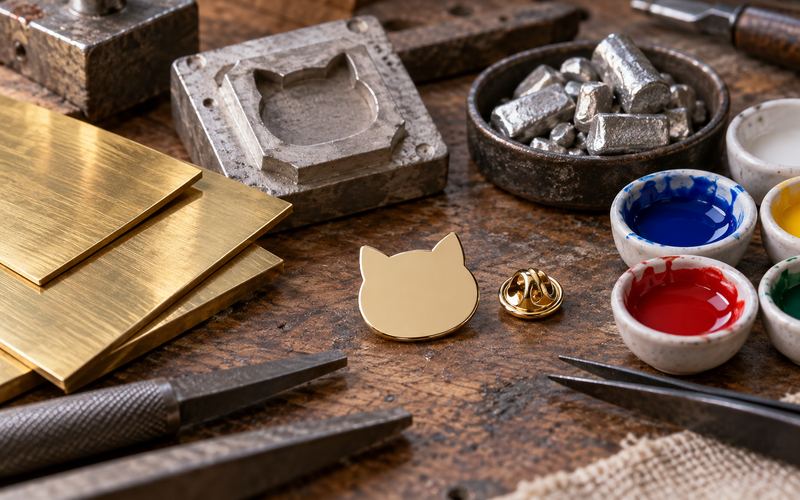
1. What Materials Are Enamel Pins Made Of?
Iron
Iron is a common choice for flat, die-struck pins. It can suit simple outlines and more detailed designs, depending on the artwork and tooling. Iron die-struck pins are not suitable for designs with many cutouts or very irregular shapes.
Zinc Alloy
Zinc alloy is often useful for cast shapes, deeper relief, and designs with open areas. It can also suit parts for an interactive pin. We usually use zinc alloy for 3D relief, designs with many cutouts, and more complex shapes.
Brass
Brass can be die-struck to form raised and recessed metal detail. It is an option when you want top quality pins. Brass pins usually used for military departments.
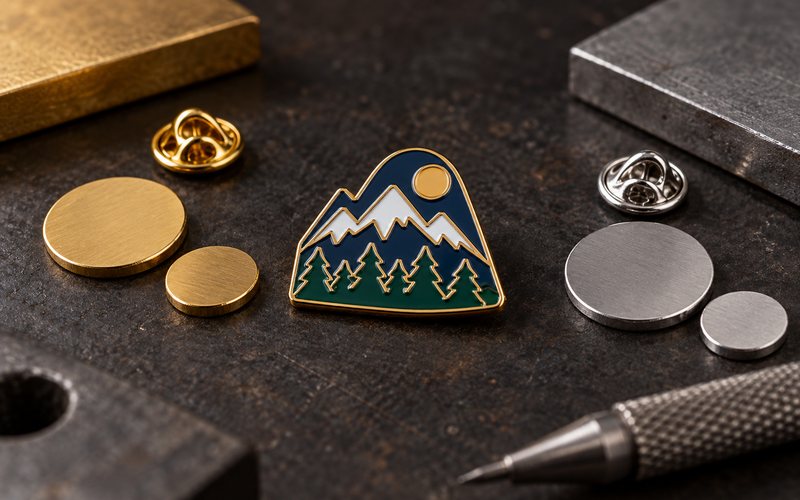
2. Base Metal Is Not the Same as Plating
Iron, zinc alloy, and brass can form the pin body. Plating is a thin surface layer that provides options such as gold, silver, or black nickel. Antique describes a darkened, aged appearance rather than a separate base metal. A gold-plated pin is not a solid-gold pin.
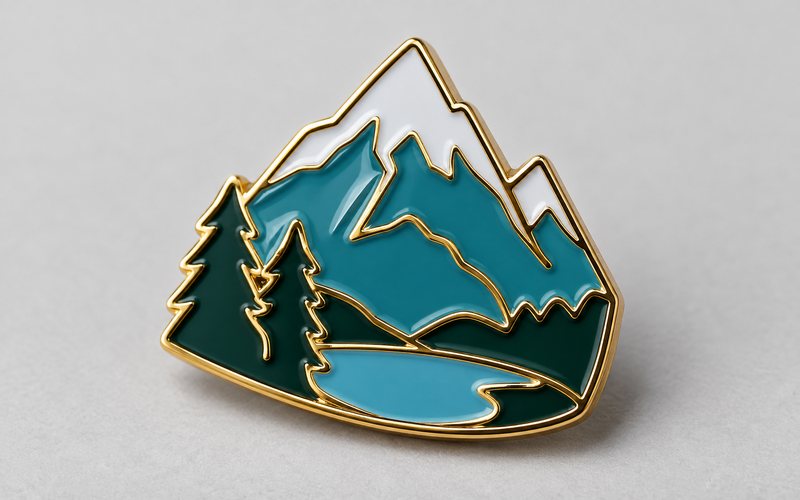
3. What Is the Enamel Part of an Enamel Pin?
The enamel is the colored filling added to the recessed areas of the pin, something like painting. It provides the color between the metal lines. We matches solid pantone color codes in our production.
Soft Enamel
Soft enamel sits below the raised metal lines, so you can feel the metal edges between colors.
Hard Enamel
Hard enamel is polished to a smoother level surface. It gives a cleaner feel, but the artwork still needs clear metal borders.
Pin Posts and Backs
The post is the stem on the rear that passes through fabric. A separate clutch holds it in place. Common choices include metal or rubber clutches. Check the attachment specification as well as the front design, especially if you need a particular backing material.
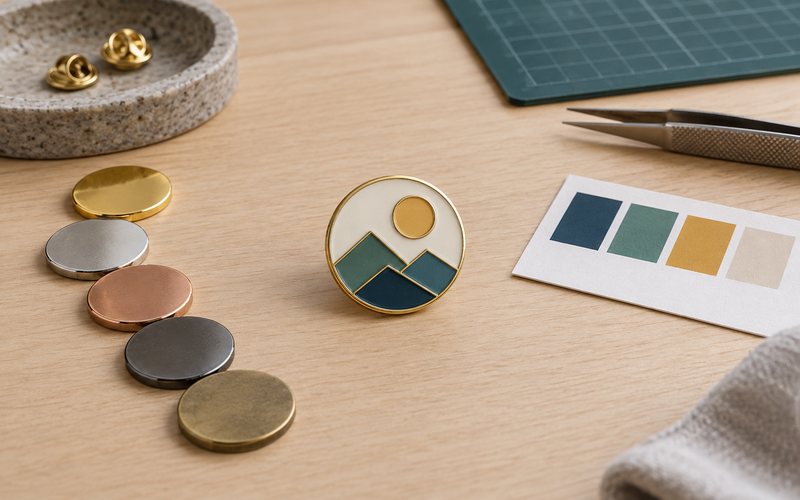
4. Which Pin Material Fits Your Design?
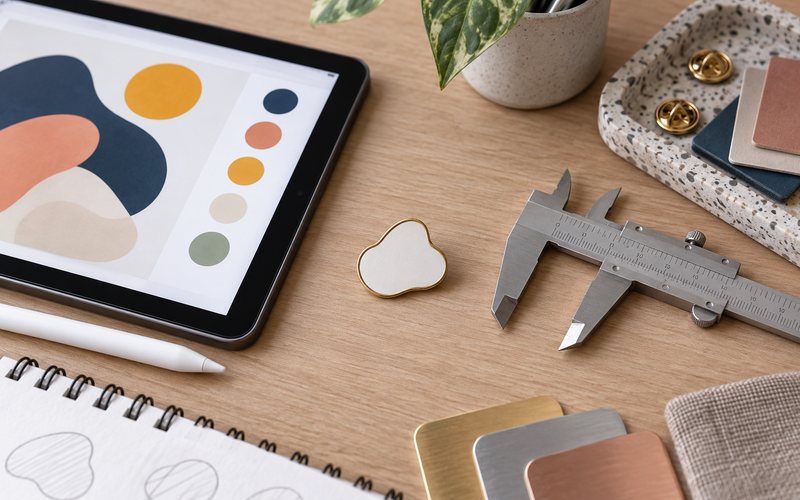
Start with the artwork and the effect you want. Iron may suit a flat die-struck design; zinc alloy may suit casting or deeper shapes; brass is another option for die-struck metal detail. At PinsFun, we review the design and budget before recommending the material, size, and process.
5. What to Send Before Choosing a Material
Send the artwork, quantity, intended use, and budget. Include a preferred size if you have one. You do not need to decide the thickness yourself: PinsFun can recommend it with the process. Production then follows the artwork you approve.
6. Conclusion
Choose the base metal for the design structure, plating for the look, and enamel for the color surface. Keeping those decisions separate makes the quote easier to compare.
7. Frequently Asked Questions
Are Enamel Pins Made of Real Metal?
Yes. The pin body is metal, with enamel color added to the face.
Is Zinc Alloy Better Than Iron for Enamel Pins?
It is useful for some cast shapes and deeper designs, but it is not automatically better. Iron may suit the artwork just as well. Compare the proposed process and finished effect, not only the material name.
Does Gold Plating Mean the Pin Is Made of Gold?
No. Gold plating is a surface finish over the base metal.
What Is the Difference Between Acrylic and Enamel Pins?
An acrylic pin has a plastic body, often carrying a printed design. An enamel pin has a metal body with colored filling. The choice affects the edge, weight, and surface appearance, so compare those features as well as the artwork.
Do Enamel Pins Contain Lead?
You cannot confirm lead content just by looking at the pin. Ask the supplier for material information and any testing report.