
When customers ask us about custom medals, one of the common questions is what material to use. The answer depends on the design. In this guide, I’ll explain the three main medal materials and how we choose the right one for each project.
1. What Materials Are Custom Medals Made Of?
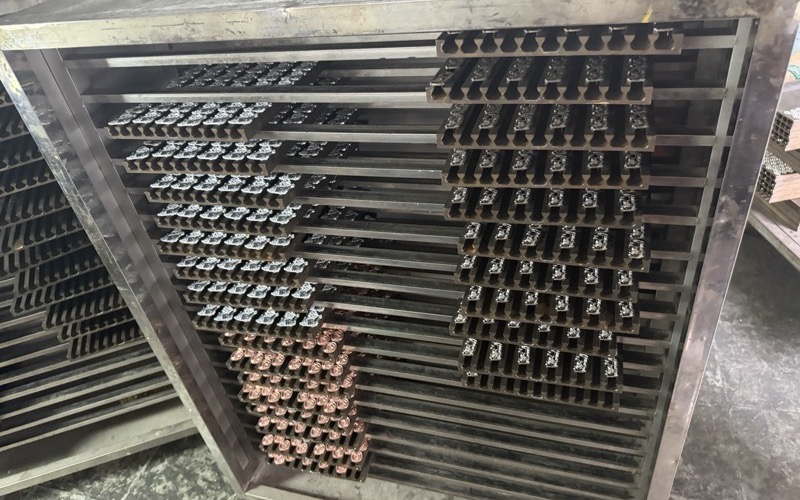
Most metal medals are made from zinc alloy, brass, or iron. The base metal is chosen before plating or color is discussed, because it decides how the medal can be made.
| Material | Production Method | Usually Best For |
|---|---|---|
| Zinc Alloy | Die Cast | Medals with cutouts, open areas, thicker shapes, or 3D relief |
| Brass | Die Struck | Military medals with 2D or 3D relief |
| Iron | Die Struck | Simple, regular medals with no cutouts |
At PinsFun, we normally recommend zinc alloy when the medal has internal cutouts or an irregular outer shape. For a regular medal with no cutouts, iron can be a practical option. The die-struck iron medals we review are usually no larger than 2.5 inches.
2. Choose Medal Material Based on Your Design
The artwork should come first. We look at the medal shape, whether it has cutouts, and how much 3D relief it needs before recommending a material.
Choose Zinc Alloy for Custom Shapes, Cutouts, and 3D Relief
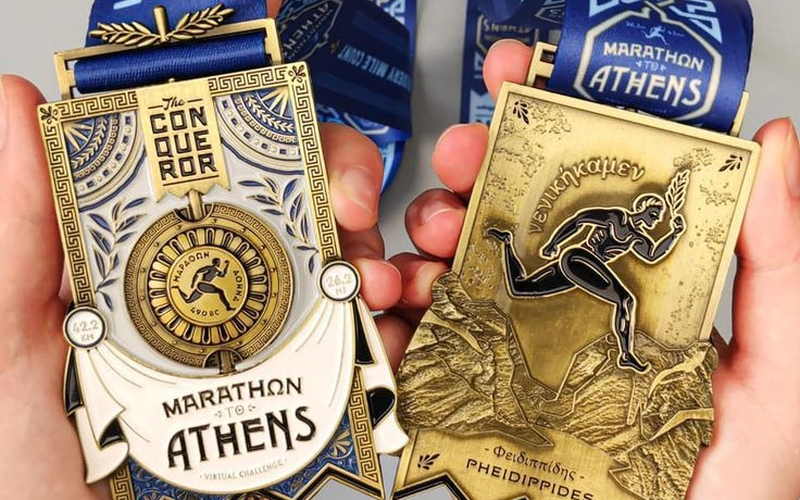
Zinc alloy is usually the right choice for a medal with an irregular outline, internal cutouts, or raised 3D details. Because it is die cast, it gives the design more freedom than a flat die-struck medal. It is a common choice for marathon medals, character-shaped medals, and event designs with a clear silhouette.
Choose Brass for Military Medal Designs
Brass is more expensive. For military medals, some customers specifically request brass. It is also a softer metal. Brass can be used for both 2D and 3D medals, and it shows raised relief details well. The usual thickness range is 2.0 to 4.0 mm.
Choose Iron for Simple, Budget-Focused Medal Designs
Iron is a practical choice for simple medals with a regular outline and no cutouts. It is often used for school events, basic sports medals, and other designs where the artwork is clear but not overly complex. For die-struck iron medals, we normally review sizes up to 2.5 inches.
3. Base Metal and Plating Are Different Things
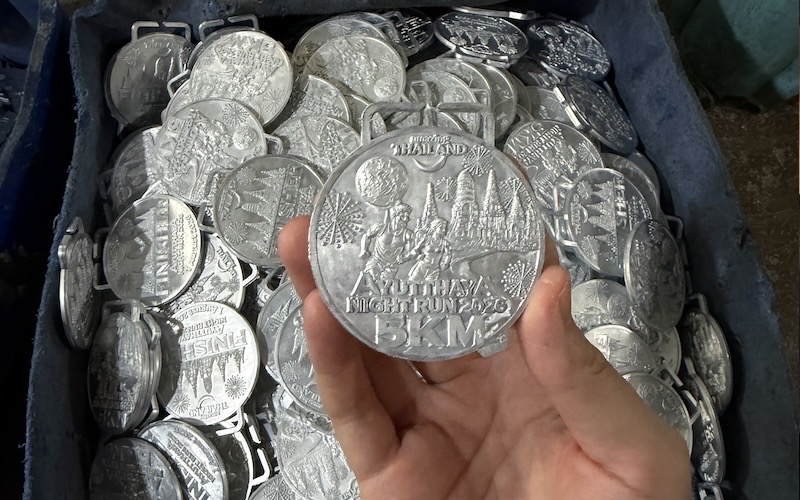
Customers sometimes describe a medal as gold, silver, or black nickel, but these are plating finishes, not the base material. Zinc alloy, brass, and iron are the metals used to make the medal itself.
The same zinc alloy medal can have gold plating, silver plating, antique plating, or black nickel plating. The base metal affects how the medal is made. Plating changes its surface color and finish.
4. Conclusion
Choose the medal material after the artwork is clear. Zinc alloy is usually best for custom shapes, cutouts, and 3D relief. Brass is often specified for military medals and can be used for 2D or 3D designs. Iron works best for simple, regular medals without cutouts.
At PinsFun, we review the artwork first, then recommend the material that can produce it properly.
5. Frequently Asked Questions
Can I Use Two Plating Finishes on One Medal?
Yes. Two-tone plating can combine two metal finishes on the same medal.
Do Different Plating Colors Need Separate Molds?
No. The same medal mold can usually be used for different plating finishes.
Can I Match Medal Colors to My Event or Brand Colors?
Yes. Send us the Pantone color code, and we can match the enamel color during artwork review.