
The capital of France is Paris. Located in north-central France, it is the country’s political center and home to the presidency and both houses of Parliament.
1. Where Is Paris Located?
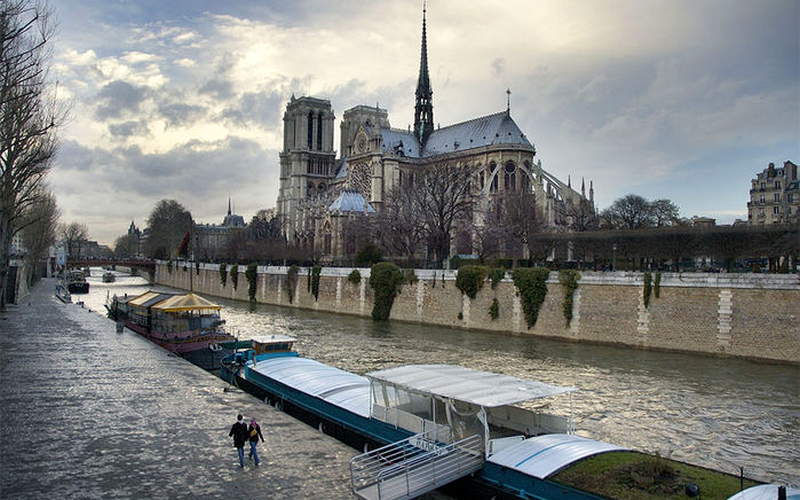
Paris lies on the Seine River in the Île-de-France region. The river separates the Right Bank to the north from the Left Bank to the south. The Île de la Cité, an island in the river, forms part of the historic center.
Paris and Île-de-France are not interchangeable names. Paris is a city within the region; Île-de-France also includes surrounding towns and suburbs, including Versailles.
2. How Did Paris Become the Capital?
Paris gained its political role over centuries. Clovis made it his main residence in the early sixth century. Later, medieval kings strengthened its position as a center of royal administration. The Musée Carnavalet, Paris’s history museum, identifies Philip Augustus as particularly important in establishing the city’s status as a capital. Musée Carnavalet
The royal court did not always remain there. In 1682, Louis XIV established his court and the seat of government at Versailles. This distinction matters when reading French history: the location of royal power changed, so describing Paris as an uninterrupted seat of government would be misleading. Palace of Versailles
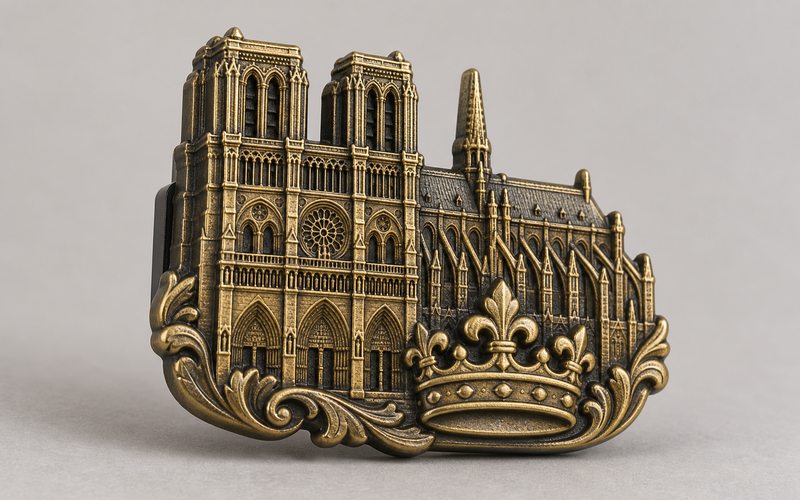
To explore the city’s earlier history, start with the Île de la Cité. Roman remains beneath the square in front of Notre-Dame show a layer of Paris that predates its medieval landmarks. The City of Paris guide to the island’s history explains these remains and how the island developed. The guide is in French, so an English-language reader may find a browser translation useful.
3. How Large Is Paris?
Paris is France’s most populous city, but population figures depend on the boundary being measured. INSEE, France’s national statistics office, reported about 2.1 million residents in the city in 2024. That figure excludes the surrounding suburbs. INSEE
The Paris urban area extends beyond the city boundary, while Île-de-France covers a larger administrative region. When comparing population figures, check both the year and the geographic area rather than treating every number labeled “Paris” as the same measure.
4. Landmarks That Tell the City’s Story
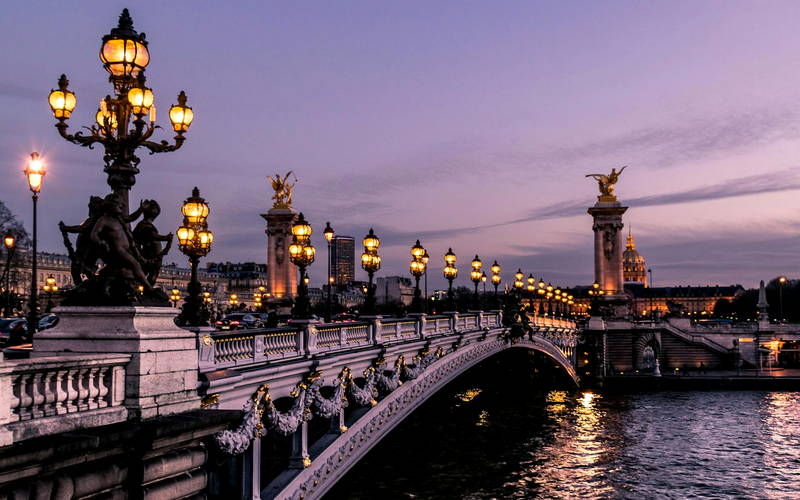
Several of the best-known sights stand along the Seine. Together, they show how Paris developed across different periods:
- Notre-Dame Cathedral represents medieval Gothic architecture on the Île de la Cité.
- The Louvre reflects the city’s royal past and its later role as a center for art collections.
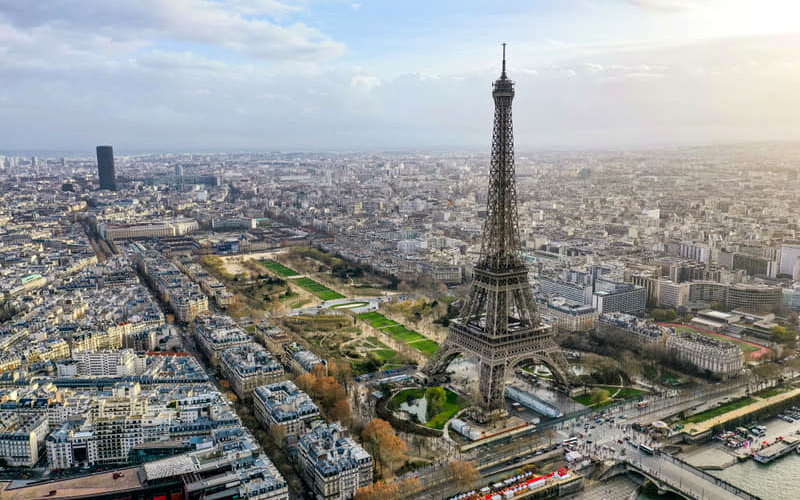
- The Eiffel Tower was built for the 1889 World’s Fair and reflects a later age of engineering and international exhibitions.
These landmarks form part of the historic riverside landscape recognized by UNESCO as the Paris, Banks of the Seine World Heritage Site. UNESCO
5. A Paris Fun Fact
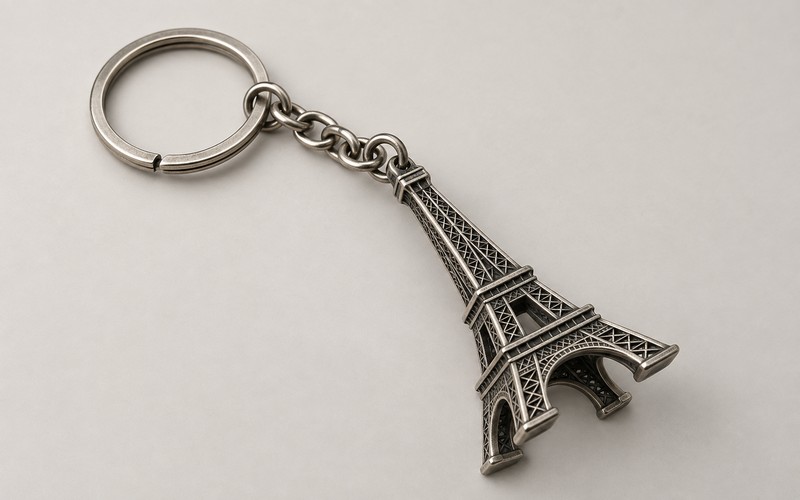
The Eiffel Tower was not guaranteed a permanent place in the Paris skyline. Built for the 1889 World’s Fair, it stood under a 20-year concession, and dismantling it afterward was a real possibility.
Radio helped secure its future. Experiments demonstrated the tower’s value for long-distance wireless communication, and Eiffel’s concession was extended by 70 years from January 1910. The landmark that now seems inseparable from Paris survived partly because it was useful as an antenna. Read how radio helped save the Eiffel Tower on its official website.