
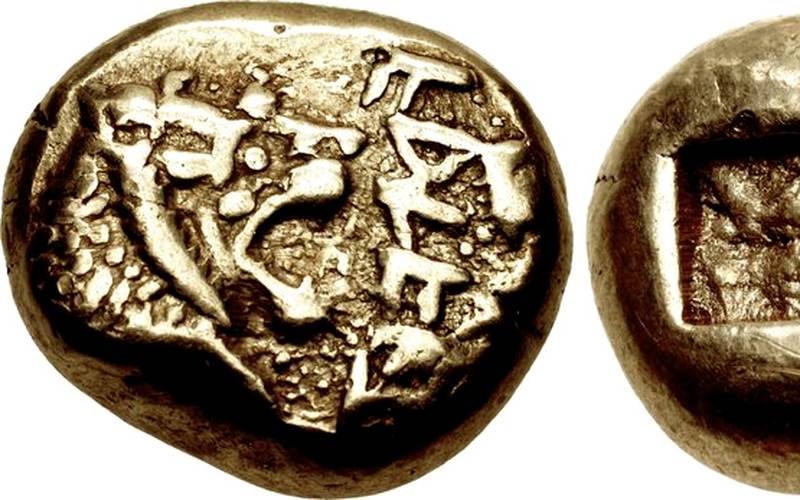
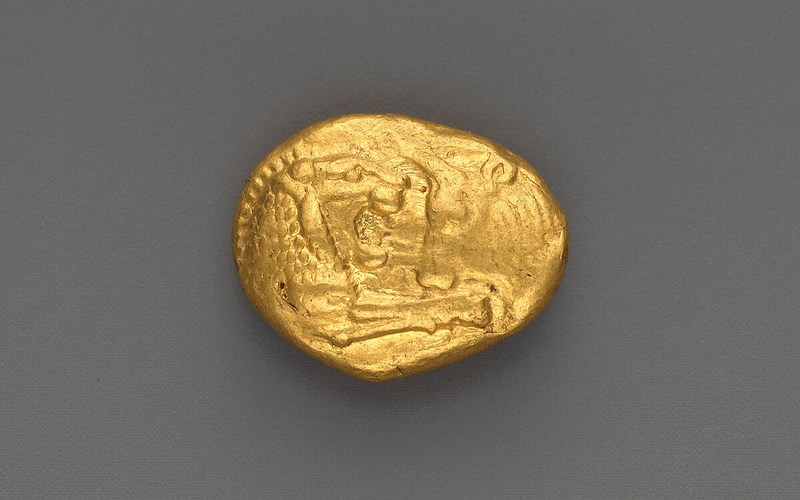
The oldest known coins include electrum pieces from Lydia and nearby Ionia in western Anatolia, dating to the seventh century BCE. The Lydian Lion is a familiar example from this early coinage. However, no surviving piece can be proved to be the first coin ever made.
People used metal, shells, and other items as money long before coinage. Early electrum coins combined weight standards with impressed marks. That distinction helps explain why the history of coins is different from the history of money.
What Is Generally Considered the Oldest Coin in the World?
| Fact | Answer |
|---|---|
| Common Short Answer | The Lydian Lion |
| Date | Seventh century BCE; dates vary by issue |
| Region | Lydia and nearby Ionia in western Anatolia |
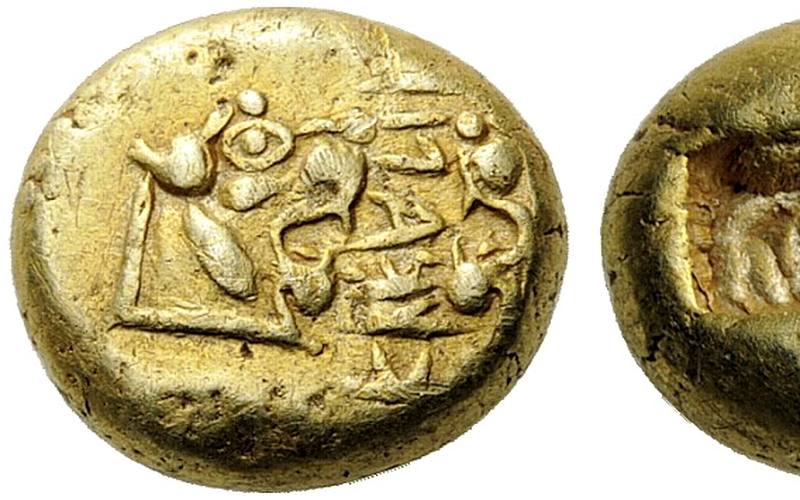
| Material | Electrum, a gold-silver alloy |
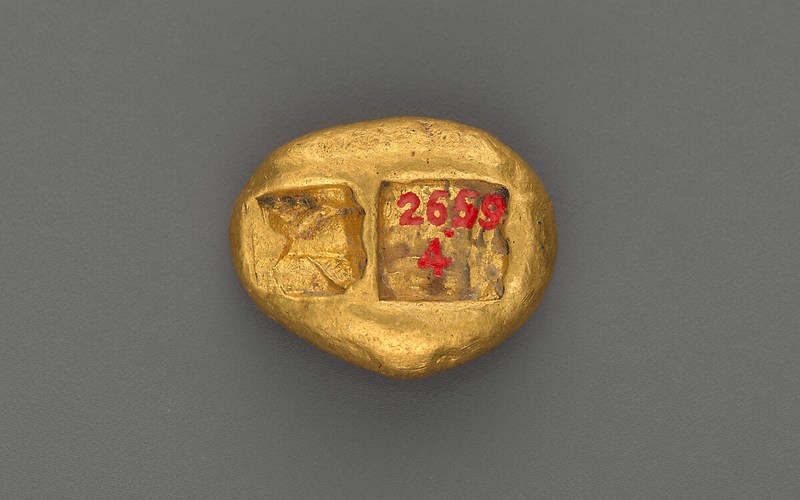
| Appearance | Irregular shape, impressed designs or marks, and reverse punch marks |
| Main Qualification | No single surviving specimen is proven to be the first coin |
The lion design is one recognizable early type. Other early electrum pieces carry simpler markings. For examples and an explanation of this distinction, see the American Numismatic Association exhibit.
What Was the First Coin Made Of?
The first Lydian coins were made of electrum, a natural mixture of gold and silver. Its pale yellow color can look different from one piece to another because the amount of gold and silver varies.
Electrum occurred in the region, including deposits associated with the Pactolus River near Sardis. A piece made to a known weight could reduce the need to weigh raw metal during a transaction. This possible benefit does not establish why the earliest coins were first issued.
Where and When Were the First Coins Made?
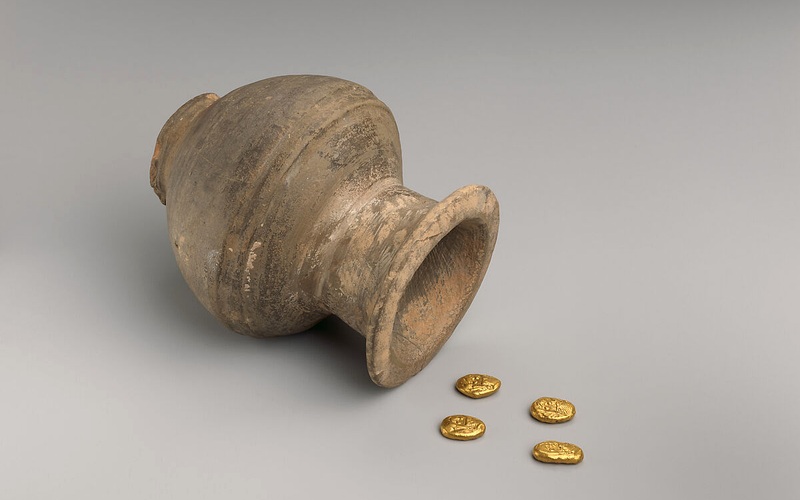
Lydia was an ancient kingdom in western Anatolia, now part of Turkey. Its capital, Sardis, was an important center in the region. The earliest Lydian and nearby Ionian electrum coins are usually dated to about 650 to 600 BCE.
Coinage later spread through the Greek world. Cities issued coins with their own symbols. These designs helped distinguish one issue from another, although the reasons for adopting coinage were not necessarily the same everywhere.
Why Is the Lydian Coin Considered a Real Coin?
Before coins, people could pay with weighed metal, rings, bars, or goods. Early electrum coins followed weight standards and carried impressed designs or marks. Those features made them more recognizable than unmarked metal.
Historians still debate who issued the earliest pieces and exactly what their marks guaranteed. The lion design may indicate a connection with the Lydian royal house. The British Museum money gallery guide presents royal authorization as an interpretation rather than a certainty.
Was Lydia Really the First Place to Make Coins?
China also developed metal coinage independently. At Guanzhuang in Henan, researchers found evidence of standardized spade-coin production dated to about 640 to 550 BCE. Their 2021 study in Antiquity identified it as the oldest securely dated minting site known at the time.
The date of a minting site and the date of the earliest surviving coins answer different questions. A spade shape does not disqualify an object from being a coin. The Chinese evidence is another reason to describe Lydia as an early center of coinage, while keeping the wider chronology open to debate.
Conclusion
Lydian electrum coins are among the earliest known coins, and the Lydian Lion is a familiar short answer to this question. Their dates and origins need qualification. Chinese minting evidence also belongs in the discussion, and no surviving specimen can be identified with certainty as the first coin ever made.
Modern custom challenge coins are not currency, but they also use metal, relief, and symbols to carry an identity or message.
Frequently Asked Questions
What Does Electrum Mean?
Electrum is a natural alloy of gold and silver that was used for the earliest Lydian coins.
Why Did Early Lydian Coins Have a Lion Design?
The lion was likely a royal symbol of Lydia, so the design helped identify the authority behind the coin.
Did King Croesus Invent the First Coins?
No. Coinage was already in use before Croesus ruled. He is better known for replacing earlier electrum issues with separate gold and silver coinage. The Metropolitan Museum account describes this change at Sardis during his reign.
How Old Is the Oldest Coin in the World?
Early Lydian electrum coins are roughly 2,600 to 2,700 years old. The estimate depends on which issue and dating range you use.
Is the Lydian Lion the Oldest Form of Money?
No. People used weighed metal, shells, and other commodities long before coins. The Lydian Lion belongs to early coinage, not the earliest use of money.