
When ordering custom challenge coins, you may wonder which edge to choose. A standard edge works well for many designs, but there are other options if you want a different look. In this article, I’ll explain the common edge styles and help you choose one that suits your design.
1. Common Challenge Coin Edge Options
Some edge styles frame the artwork on the face of the coin. Others, such as reeding, go on the side edge of the coin.
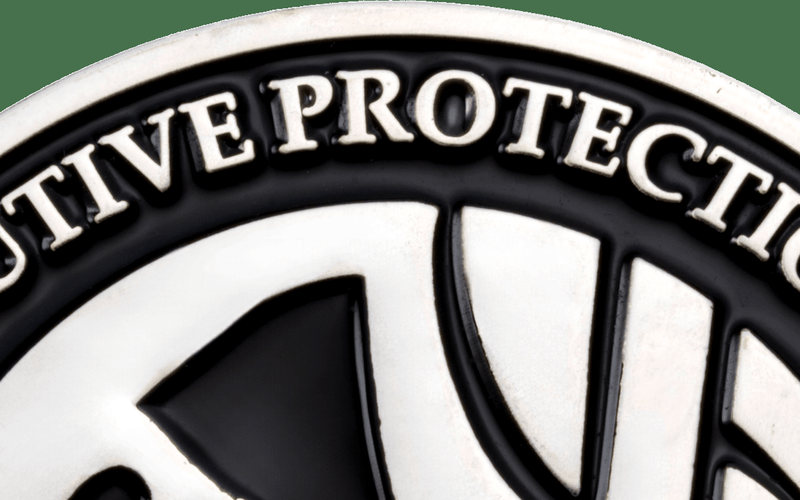
Standard Edge
A standard edge is the plain, smooth edge you often see on coins. Most corporate coins, souvenir coins, and regular military coins we make use this edge.
At PinsFun, it’s also where we usually start when preparing a design. If you want a decorative border, we can show you a few options and add your choice to the draft so you can see it with your artwork.
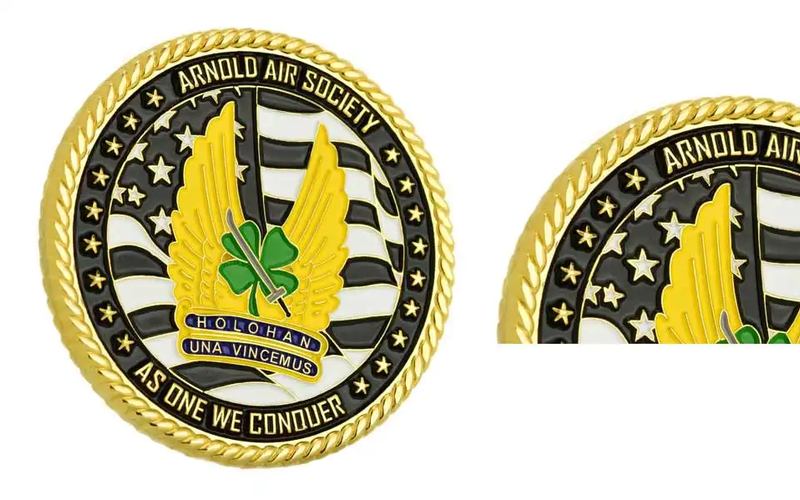
Rope Edge
A rope edge looks like a twisted rope around the coin. It adds a decorative border and is usually raised in 3D, so you can see and feel the rope pattern.
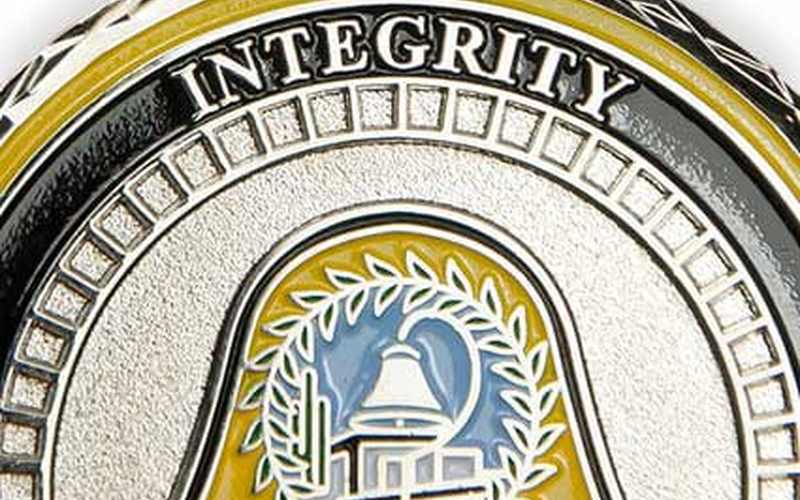
Cross-Cut Edge
A cross-cut edge has intersecting cuts that catch the light. We often use it on gold- or silver-plated coins for that extra shine, but rarely on antique coins.
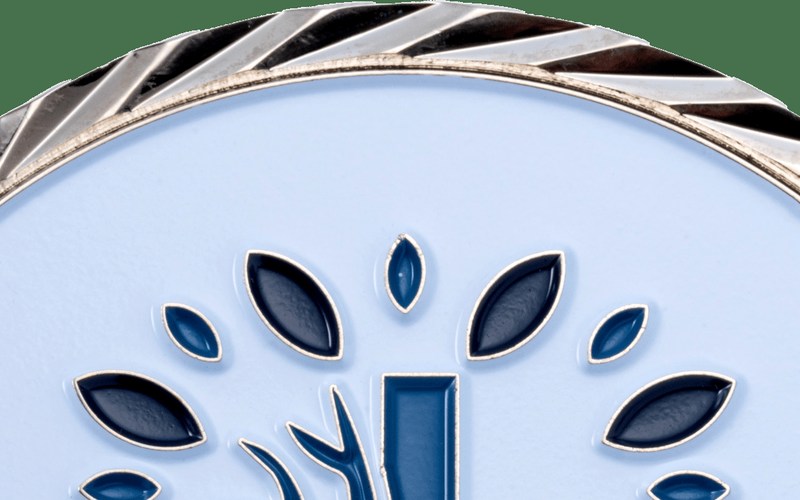
Oblique-Cut Edge
An oblique-cut edge has diagonal cuts running in the same direction. We can make this pattern in 2D, and we often use it on military and Marine Corps challenge coins.
Spur Edge
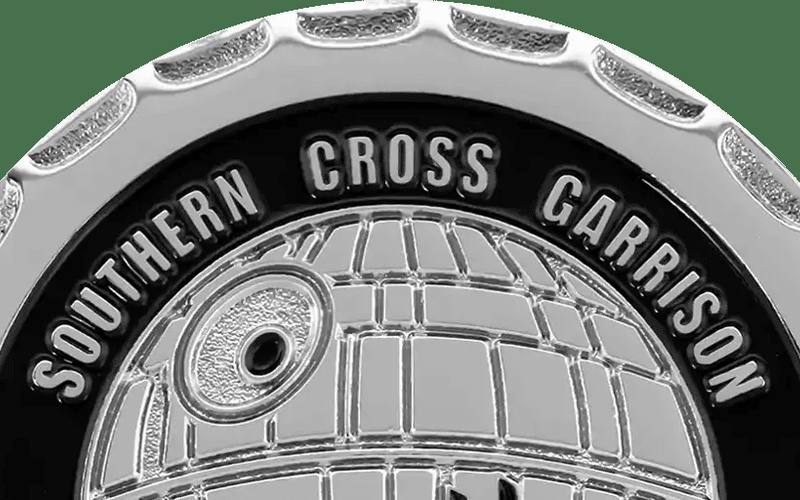
A spur edge has small points with curved recesses between them. It gives the border a more pronounced pattern, which you can see around the artwork.

Bezel and Wave-Cut Styles
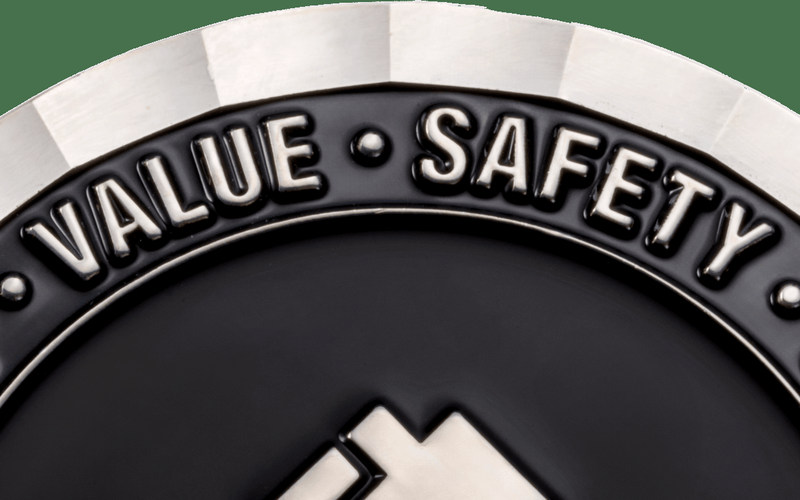
A wave-cut edge has a repeating wave pattern around the border. Bezel can refer to angled facets or a border that rises and falls, depending on the supplier.
If you have a photo of the style you want, send it with your design. That helps us identify the exact pattern.
Reeded Edge
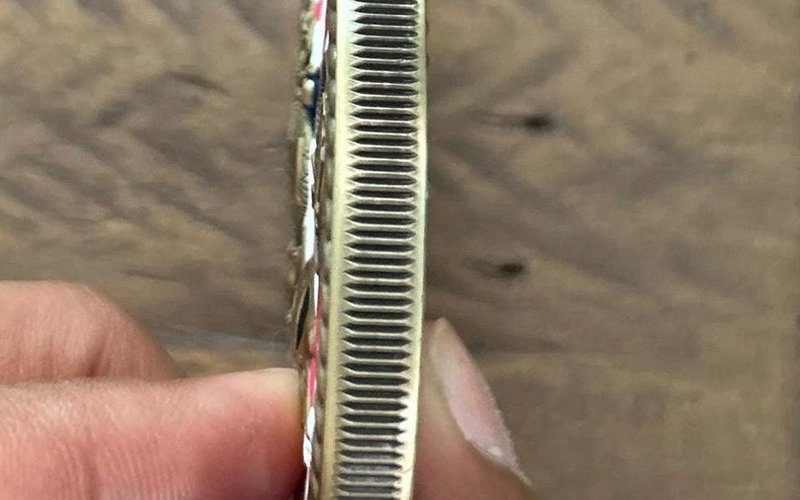
A reeded edge has fine grooves around the side edge of the coin. We add these in a separate step after the coin blank is made, so this option costs extra. With a reeded edge, we can’t add laser-engraved sequential numbers to the side.
2. How to Choose an Edge That Suits Your Coin Design
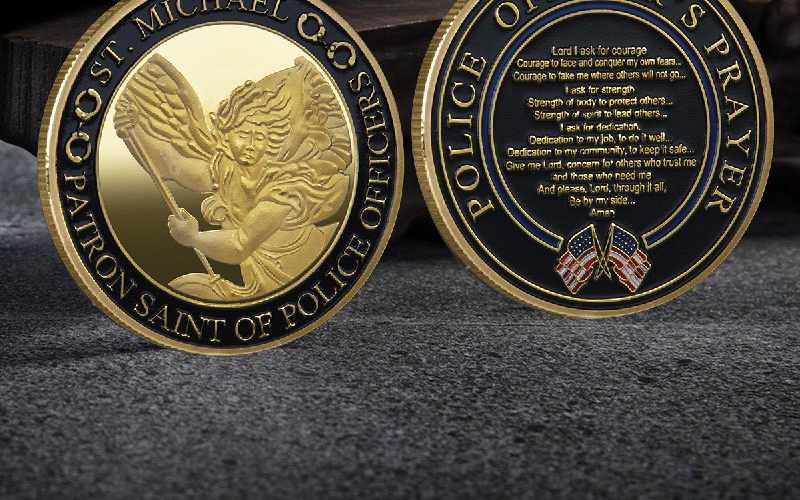
You don’t have to settle on an edge before sending us your artwork. We look at the design first. If you want something other than the standard edge, we’ll send you some styles and put your choice into a draft. You can then see it with your own logo and decide whether you like it.
Leave Enough Room for the Logo and Outer Text
Suppose your coin has a badge in the middle and a long department name around it. A wide border would take space away from that lettering. I’d keep the border simple so the name stays easy to read.
With a small central logo and only a few words, you’ve got more room to try a decorative edge. We can arrange the artwork and border together without making the text smaller just to squeeze in a pattern.
Match the Edge With the Plating
If you like the shine on a cut edge, look at a polished finish. Antique finishes give a different effect: the darker recesses make the raised details easier to pick out.
Try to compare samples in the color you’re ordering. If you want antique silver, a polished gold photo won’t give you the same impression.
Edges for Custom-Shaped Coins
For the custom-shaped coins we make, we usually use a plain edge. The shape itself already gives the coin a distinctive look. Adding a rope or cross-cut border can make the design look too busy.
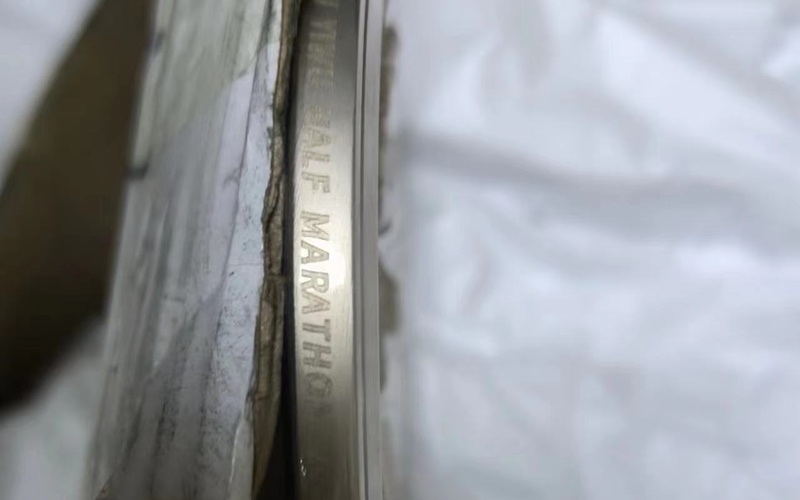
3. Adding Text or Numbers to the Coin Edge
You can put a short message or a serial number on the side edge if you want to keep it off the main design. We can make the text or sequential numbers black using laser engraving and blackening.
On a 4 mm thick coin, we can add lettering, numbers, or a logo repeated around the side edge. If you’re using another thickness, send us the wording or logo so we can see how it fits in that space.
For numbering, tell us where to start and how you’d like it written. For example, do you want 001, or 001/100 for a set of 100 coins? Choose a smooth side edge for this option; we can’t add laser-engraved sequential numbers over reeding.
We’ll show where the text starts and which way it reads on the draft. If you want a repeating logo, send the logo file too, and we’ll work out its size and spacing.
4. Conclusion
A standard edge is a common choice for the coins we make. Decorative edges give you other ways to frame the artwork, while the side edge can carry grooves or lettering.
Send us your design, along with any edge picture you’ve saved. We’ll help you narrow down the options and show your preferred style in the draft.
5. Frequently Asked Questions
Do Decorative Challenge Coin Edges Cost More?
Some decorative edges cost extra. A reeded edge, for example, needs a separate production step after the coin blank is made. Tell us which edge you want, and we’ll include it in the quote.
Can the Front and Back Borders Have Different Plating Colors?
Yes. We can use one plating color for the front border and another for the back.